
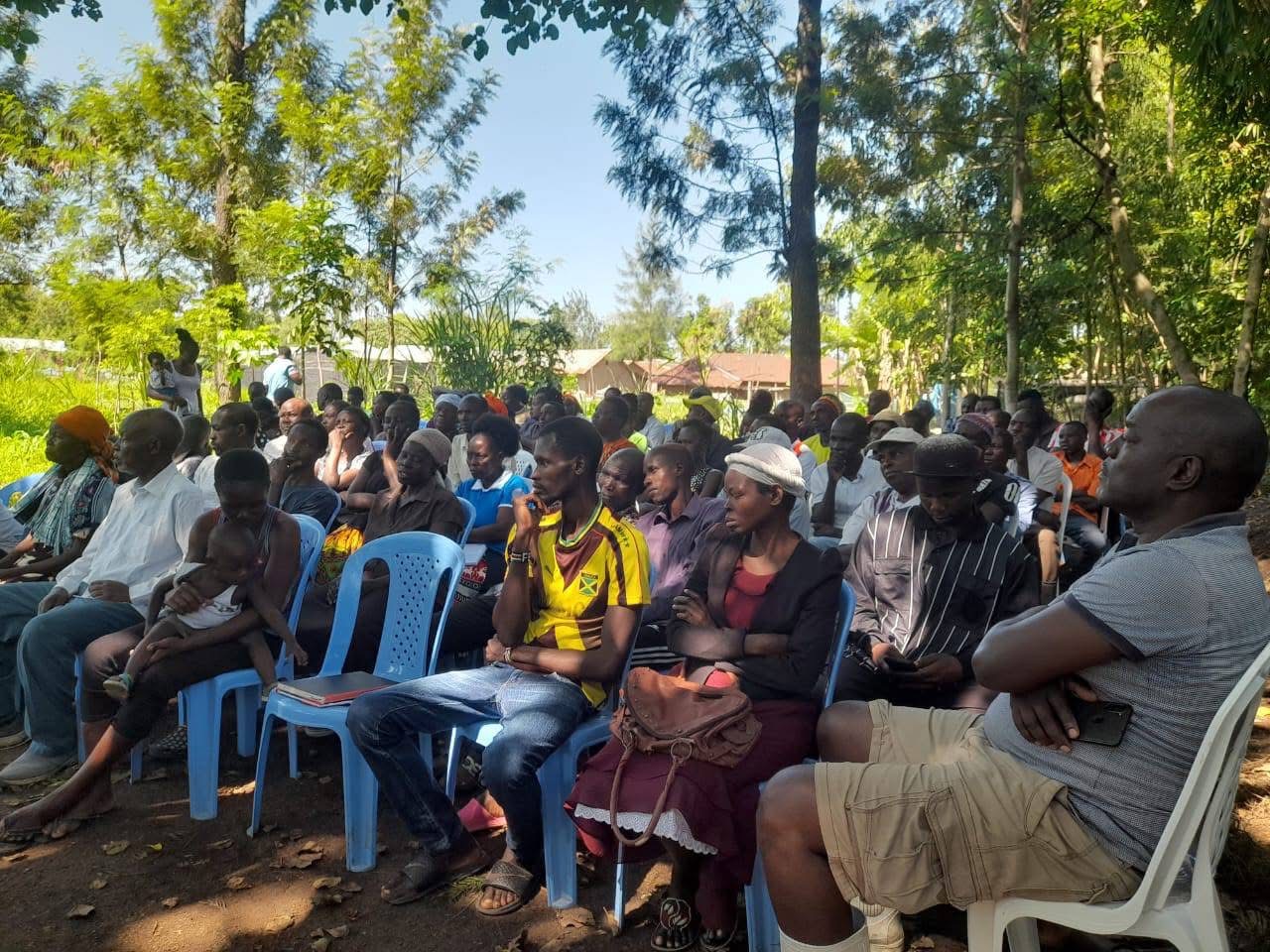
Youth & Women Livelihood & Empowerment
Strengthening employability and entrepreneurship through vocational training, digital literacy, agribusiness support, financial inclusion, mentorship, and enterprise incubation.
Preview of the YWLE
Africa is home to one of the youngest and fastest-growing populations in the world, positioning the continent at a defining moment of opportunity and transformation. Globally, more than 3 billion people—nearly half of the world’s population—are under the age of 25, with close to 90 percent living in developing countries. Across Africa, youth represent a significant share of the population and workforce, making them one of the continent’s greatest assets for innovation, productivity, and sustainable development. Women, who constitute nearly half of the population, remain central to household welfare, agricultural production, enterprise development, and community resilience—forming a powerful foundation for inclusive growth and long-term prosperity.
Across Kenya and East Africa, youth and women together represent the largest and most dynamic segment of society. Their energy, creativity, resilience, and entrepreneurial spirit position them at the center of economic transformation, climate action, social innovation, and future leadership. Young people are increasingly driving entrepreneurship, digital transformation, green innovation, and enterprise development, while women continue to sustain households, strengthen local economies, and play a vital role in agriculture, trade, nutrition, and community stability.
As noted by the Food and Agriculture Organization (FAO), women and youth form the backbone of agriculture and food systems, yet access to land, credit, productive assets, technology, and markets remains severely limited. Women contribute a substantial share of agricultural labor, but continue to face disproportionate barriers in land ownership, financing, and economic decision-making, while many young people remain excluded from productive agribusiness opportunities due to generational barriers, limited skills, and restricted access to resources. This untapped potential represents both one of Africa’s greatest challenges and one of its greatest development opportunities.
At AFSEN, we believe that empowering youth and women is one of the most strategic investments in Africa’s future. When equipped with the right skills, opportunities, resources, and enabling environment, they become catalysts for enterprise development, job creation, food and nutrition security, climate resilience, community leadership, and inclusive economic growth.
Barriers to youth and women empowerment & inclusion
1. Unemployment and Economic Exclusion
Youth continue to face disproportionately high levels of unemployment and underemployment, limiting their ability to achieve financial independence and contribute meaningfully to economic growth. Even where opportunities exist, many young people remain trapped in low-paying, informal, and insecure jobs with limited prospects for advancement. This economic exclusion increases poverty, dependency, and social vulnerability, particularly among rural and marginalized youth.
2. Limited Access to Skills Development and Quality Education
A significant number of young people lack access to quality education, practical vocational training, digital literacy, and market-relevant skills needed to compete in today’s evolving economy. The mismatch between education systems and labor market demands leaves many youths unprepared for employment, entrepreneurship, and emerging sectors such as agribusiness, green economy, and digital enterprise.
3. Limited Access to Finance, Land, and Enterprise Opportunities
Many young people have innovative ideas and entrepreneurial potential but face major barriers in accessing startup capital, affordable credit, land, productive assets, technology, and business support services. These constraints significantly limit youth participation in agriculture, enterprise development, and wealth creation, preventing them from becoming job creators and drivers of local economic transformation.
4. Climate Change, Food Insecurity, and Livelihood Vulnerability
Climate change is increasingly threatening the livelihoods of young people, particularly those dependent on agriculture and natural resources. Droughts, floods, land degradation, and declining agricultural productivity reduce income opportunities, deepen food insecurity, and increase vulnerability to poverty and displacement. At the same time, youth often lack adequate resources and support to adapt to climate-related challenges or participate in green and climate-smart economic opportunities.
5. Social Exclusion, Health Challenges, and Limited Voice in Leadership
Many young people continue to face social barriers that limit their full participation in society, including poor access to healthcare, sexual and reproductive health information, mental health support, and protection from harmful social influences such as substance abuse, crime, and violence. In addition, youth remain underrepresented in leadership, governance, and decision-making spaces, limiting their influence on policies and programs that directly affect their future.
YWLE Aims to:
- Strengthen employability and entrepreneurship capacity through vocational skills training, digital literacy, agribusiness development, financial inclusion, mentorship, and enterprise incubation.
- Promote economic inclusion and sustainable livelihoods by improving access to finance, productive assets, markets, and viable income-generating opportunities, particularly in agriculture, green enterprise, and small business development.
- Advance food and nutrition security through nutrition-sensitive agriculture, climate-smart farming systems, value addition, household livelihood diversification, and improved access to safe and nutritious food.
- Enhance leadership, participation, and social inclusion by empowering youth and women to engage in decision-making, civic action, governance processes, and community leadership.
- Strengthen community resilience and reduce vulnerability by addressing poverty, inequality, exclusion, and systemic barriers that limit access to opportunities and sustainable development.
AFSEN Core Activities under the YWLE
1. Human Capital Development
AFSEN strengthens the knowledge, skills, and capabilities of youth and women to improve employability, productivity, and enterprise success. This is achieved through practical vocational training, digital skills development, agribusiness capacity building, financial literacy, entrepreneurship training, mentorship, apprenticeship, and leadership development. By investing in human capital, AFSEN equips youth and women with the competencies needed to pursue dignified livelihoods, innovate, and thrive in a changing socio-economic environment.
2. Social Capital and Community Empowerment
AFSEN builds strong networks of mentorship, peer learning, collaboration, and community engagement that enable youth and women to grow socially and economically. Through mentorship programs, youth groups, women associations, innovation hubs, service learning initiatives, sports-for-development activities, and community dialogue platforms, AFSEN promotes leadership, civic participation, teamwork, and social inclusion. These networks strengthen confidence, collective action, and community ownership of development processes.
3. Financial Inclusion and Enterprise Support
AFSEN expands access to financial capital and enterprise opportunities by linking youth and women to savings groups, cooperatives, microfinance institutions, credit facilities, enterprise incubation, and market systems. YWLE promotes savings culture, financial literacy, investment readiness, business planning, and access to startup and growth capital for small enterprises. This support enables beneficiaries to establish viable businesses, strengthen household incomes, and create employment opportunities within their communities.
4. Productive Assets and Livelihood Support
Recognizing that skills and finance alone are often insufficient, AFSEN supports youth and women with access to productive assets and livelihood inputs needed to translate opportunity into action. This may include agricultural inputs, equipment, tools, technology, renewable energy solutions, climate-smart farming resources, startup kits, and small grants for vulnerable groups. By strengthening physical capital, AFSEN helps beneficiaries build sustainable enterprises, improve productivity, and recover from economic or climate-related shocks.
5. Climate-Resilient Livelihoods and Food Systems
AFSEN promotes climate-smart, nutrition-sensitive, and environmentally sustainable livelihood systems that strengthen resilience while improving food and nutrition security. Activities include climate-smart agriculture, agroecology, regenerative farming, water harvesting, renewable energy adoption, ecosystem restoration, value addition, and diversified income generation. These interventions create green livelihood pathways while helping communities adapt to climate change and protect natural resources for future generations.
6. Capacity Building, Partnerships, and Systems Strengthening
AFSEN works with communities, government, private sector actors, financial institutions, and development partners to create enabling systems that support long-term empowerment. This includes market assessments, program design, policy advocacy, institutional strengthening, legal and regulatory awareness, partnership development, and robust monitoring, evaluation, and learning systems.