
Water Resilience, Sanitation & Hygiene
We take a holistic approach to WASH challenges, delivering immediate relief while strengthening long-term resilience, dignity, and health security in communities.
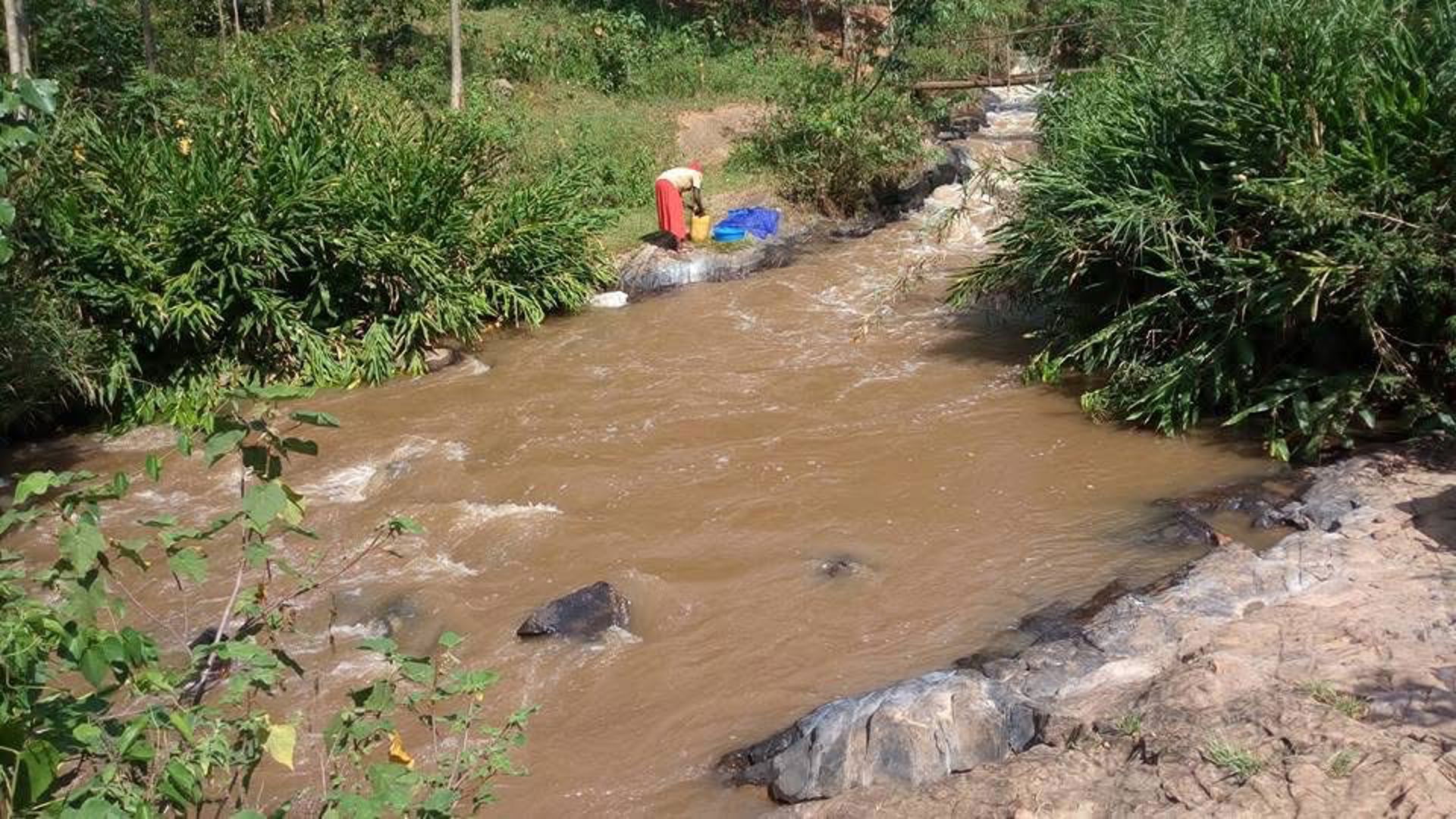
At AFSEN Africa, we recognize that water is a fundamental human right — the lifeblood of agriculture, nutrition, dignity, and sustainable development. Across East Africa and much of Sub-Saharan Africa, millions of people still lack reliable access to safe water, sanitation, and hygiene (WASH). In rural communities, fetching water often means walking several kilometers daily — a burden disproportionately borne by women and children. This time-consuming task limits school attendance, reduces economic opportunities, and reinforces cycles of poverty.
Unsafe water and poor sanitation contribute to preventable diseases such as cholera, typhoid, dysentery, and diarrhea, which remain leading causes of death among children under five. For many communities, the lack of clean water and adequate sanitation is a daily crisis that undermines health, education, livelihoods, and overall well-being.
Climate change further intensifies these challenges. Prolonged droughts, destructive floods, and increasingly unpredictable rainfall patterns threaten water availability, food systems, and ecological stability. AFSEN Africa’s Water Resilience and WASH Program addresses these interconnected challenges through an integrated, community-driven, and climate-responsive approach.
Safe Water, Sanitation, and Hygiene (WASH)
We understand that addressing WASH challenges requires a holistic and interconnected approach. Our interventions are designed not only to provide immediate relief but also to build long-term resilience, dignity, and health security for communities.
Our Key Priorities include:
- Working with local communities, government institutions, and the private sector to ensure access to safe and reliable water for drinking, washing, sanitation, and productive uses such as agriculture and livestock.
- Supporting water, sanitation, and hygiene (WASH) initiatives aimed at reducing waterborne diseases through improved hygiene education, safe water practices, and sanitation services.
- Targeting women and children, who are most affected by water scarcity and often spend many hours daily collecting water, as well as communities facing acute water shortages.
- Promoting and supporting the adoption of cost-effective and appropriate technologies for water supply, sanitation, and environmental health.
- Organizing WASH education programs in schools, health centres, and community institutions.
- Advocating for increased investment and equitable access to basic water and sanitation services in underserved and vulnerable communities.
How AFSEN Africa Strengthen Water, Sanitation and Health
1. Developing Community Water Systems and Water Safety Plans
Human health and well-being are deeply influenced by environmental conditions — particularly the quality of air, water, and food systems. Safe and reliable community water systems, supported by structured water safety planning, are essential for preventing disease and ensuring sustainable access to clean water.
In many rural and marginalized communities, water, sanitation, and hygiene systems are not adequately designed to respond to evolving pressures such as population growth, rapid urbanization, environmental degradation, and climate variability. These challenges often lead to increased contamination risks, unreliable supply, and reduced water quality.
To address this, AFSEN Africa supports the development and strengthening of Community Water Systems and Water Safety Plans (WSPs) in alignment with World Health Organization (WHO) standards. A Water Safety Plan is a comprehensive risk management approach that ensures safe drinking water from the source to the point of consumption.
Our implementation approach includes:
a) Protection of Water Sources
We support communities in safeguarding rivers, springs, boreholes, and catchment areas from contamination caused by human activity, livestock intrusion, deforestation, and poor land use practices. This includes environmental conservation, fencing of water points, and catchment protection measures.
b) Water Treatment and Quality Control
We promote appropriate water treatment methods to reduce or eliminate biological, chemical, and physical contaminants. Depending on the context, this may include chlorination, filtration systems, solar disinfection, or other locally appropriate technologies that meet safe drinking water standards.
c) Safe Distribution and Storage
Even when water is treated at the source, re-contamination often occurs during transport and household storage. AFSEN Africa supports safe water handling practices, including improved storage containers, hygiene at water points, and community education on safe collection and handling practices.
d) Community Capacity Strengthening
We build local capacity to manage, monitor, and sustain water systems. This includes training water user committees, community health volunteers, and local technicians to ensure long-term functionality and accountability of water systems.
2. Household Water Treatment and Safe Water Storage
In many parts of Sub-Saharan Africa and other developing regions, centralized water supply systems are either unavailable, unreliable, or unable to meet growing demand. As a result, millions of households rely on unsafe surface water, shallow wells, or unprotected sources, significantly increasing the risk of waterborne diseases.
Globally, it is estimated that hundreds of millions of people lack access to improved drinking water sources that are safely managed. In such contexts, household water treatment and safe storage (HWTS) provides a practical, low-cost, and highly effective solution to improve water quality at the point of use.
AFSEN Africa promotes household-level interventions that empower families to take direct control of their water safety and hygiene.
a) Point-of-Use Water Treatment
We support the adoption of simple and affordable water treatment technologies that can be used at household level. These include filtration methods, chlorination, boiling, and other appropriate locally adapted treatment solutions that eliminate or significantly reduce harmful pathogens.
b) Safe Water Storage
We promote the use of clean, covered, and hygienic water storage containers that prevent re-contamination after treatment. Emphasis is placed on reducing direct hand contact, protecting water from environmental contamination, and maintaining water quality from collection to consumption.
c) Improved Hygiene Practices
We integrate hygiene promotion with water treatment interventions to reduce disease transmission. This includes handwashing with soap, safe handling of drinking water, food hygiene, and environmental cleanliness within households.
d) Behavior Change and Community Education
Sustainable impact depends on consistent behavior change. AFSEN Africa implements community-based education programs to ensure households understand, adopt, and consistently apply safe water practices. This is reinforced through community health volunteers, school programs, and local leadership engagement.
3. Integrated Impact of AFSEN Africa’s WASH Approach
- Reduces the burden of waterborne diseases such as cholera, typhoid, and diarrhea
- Improves maternal and child health outcomes
- Enhances school attendance, especially for girls
- Reduces time spent collecting water, particularly for women and children
- Strengthens food security and livelihoods through productive water use
- Builds climate resilience through sustainable water resource management
- Empowers communities to manage and sustain their own water systems
Sanitation and Hygiene
Sanitation and hygiene are fundamental to health, dignity, survival, and sustainable development. Despite their importance, many communities across East Africa and Sub-Saharan Africa continue to face serious gaps in access to adequate sanitation services. These gaps expose populations to preventable water, sanitation, and hygiene (WASH)-related diseases, limiting progress in health, education, and economic development.
Globally, an estimated 2.5 billion people still lack access to basic sanitation. Basic sanitation refers to the availability and use of facilities and services for the safe disposal of human waste (feces and urine), as well as systems that support hygienic living conditions. These include solid waste management, wastewater treatment, drainage systems, and safe disposal of industrial or hazardous waste.
Despite global commitments, progress remains uneven. Without accelerated action, many regions risk falling short of international development targets aimed at improving sanitation coverage and reducing WASH-related disease burdens.
AFSEN Africa addresses these challenges through integrated sanitation and hygiene interventions that combine infrastructure development, behavior change, capacity building, and emergency preparedness.
AFSEN Africa’s Sanitation and Hygiene Approach
AFSEN Africa promotes sustainable sanitation and hygiene systems that improve health outcomes, protect the environment, and uphold human dignity. Our approach focuses on both infrastructure and behavior change to ensure long-term impact.
Key areas of intervention include:
- Expanding access to safe, inclusive, and climate-resilient sanitation facilities in households, schools, and public institutions
- Strengthening hygiene education and behavior change programs to reduce WASH-related diseases
- Supporting community-led sanitation improvements through participation, ownership, and local leadership
- Promoting environmentally safe waste management systems that protect water sources and ecosystems
- Building capacity of communities, local institutions, and frontline workers in sustainable sanitation practices
Capacity Building in Community Sanitation Systems
A core component of AFSEN Africa’s work is strengthening community capacity to plan, implement, and sustain safe sanitation systems. This includes technical training, awareness creation, and institutional support.
1. Toilets and Latrines
Safe sanitation begins with access to proper toilets and latrines. AFSEN Africa supports communities to construct, maintain, and improve sanitation facilities that are safe, culturally appropriate, and accessible for all users.
Our approach emphasizes:
- Elimination of open defecation through community-led action
- Construction of durable and hygienic household latrines
- Promotion of gender-sensitive sanitation facilities, including menstrual hygiene considerations
- Inclusion of accessible toilets for children, the elderly, and persons with disabilities
2. Sewer Systems and Wastewater Management
Effective sanitation requires safe and well-managed wastewater systems. AFSEN Africa supports the development and improvement of sanitation infrastructure that ensures proper collection, treatment, and disposal of human waste and wastewater.
- Promotion of simplified and decentralized sewer systems in appropriate contexts
- Support for safe wastewater treatment and reuse where feasible
- Strengthening community understanding of safe waste disposal practices
- Encouraging environmentally responsible sanitation technologies that reduce pollution of rivers, groundwater, and soil
3. Sanitation Solutions in Emergency Situations
- Rapid deployment of temporary latrines and sanitation facilities
- Safe excreta disposal systems in emergency shelters and camps
- Hygiene promotion interventions during outbreaks
- Distribution of essential hygiene supplies such as soap, disinfectants, and sanitation kits.
4. Hygiene Promotion and Behavior Change
- Handwashing with soap at critical times (after toilet use, before eating, before food preparation)
- Safe handling and disposal of waste
- Menstrual hygiene management (MHM) education and support
- Household cleanliness and environmental hygiene practices
5. Guidance for Health and Safety in Waste Handling
Workers involved in sanitation services play a critical role in protecting public health and maintaining safe environments. However, handling human waste and sewage exposes them to serious health risks, including infectious diseases such as cholera, typhoid, hepatitis A and E, diarrhea-causing pathogens, and parasitic infections.
AFSEN Africa is committed to ensuring that all sanitation workers, community volunteers, and maintenance personnel are protected through proper safety measures, training, and access to appropriate resources. Safe sanitation work is essential not only for worker protection but also for the overall effectiveness and sustainability of WASH systems.
1. Use of Personal Protective Equipment (PPE)
- Heavy-duty gloves for direct handling of waste materials
- Rubber boots to prevent skin contact with contaminated water or sludge
- Protective overalls or aprons to avoid contamination of clothing
- Face masks or shields where splashing or aerosol exposure is possible
2. Safe Hygiene Practices and Personal Decontamination
- Thorough handwashing with soap and clean water after any sanitation-related task
- Use of disinfectants for hands, tools, and equipment when water is not immediately available
- Avoiding touching the face, mouth, eyes, or food during and after work
- Regular bathing and cleaning of protective clothing after use
3. Safe Handling, Transport, and Disposal of Waste
- Waste should be handled using appropriate tools and not direct hand contact
- Containers and transport systems must be sealed and leak-proof where possible
- Waste disposal sites must be clearly designated and managed safely
- Open dumping or uncontrolled discharge of sewage must be strictly avoided
4. Equipment Cleaning and Disinfection
- Regular cleaning and disinfection after each use
- Use of approved disinfectants for decontamination
- Safe storage of equipment away from living and food preparation areas
- Routine inspection to ensure equipment remains safe and functional
5. Training, Awareness, and Capacity Building
- Understanding disease transmission pathways in sanitation work
- Safe waste handling techniques and operational procedures
- Emergency response in case of exposure or accidents
- Proper use and disposal of PPE
- Risk awareness and personal safety responsibilities
6. Health Monitoring and Access to Medical Support
Workers exposed to sanitation risks should have access to regular health checks and timely medical support.
AFSEN Africa promotes:
- Periodic health screening for sanitation workers
- Vaccination against preventable diseases where available
- Immediate access to healthcare in case of exposure or infection
- Reporting and documentation of occupational health incidents
7. Community and Environmental Safety Measures
Protecting workers also requires protecting the broader community and environment. AFSEN Africa supports:
- Safe containment of human waste to prevent leakage into water sources
- Proper drainage systems to avoid stagnant contaminated water
- Public awareness on sanitation safety and environmental hygiene
- Separation of sanitation zones from food and water preparation areas