
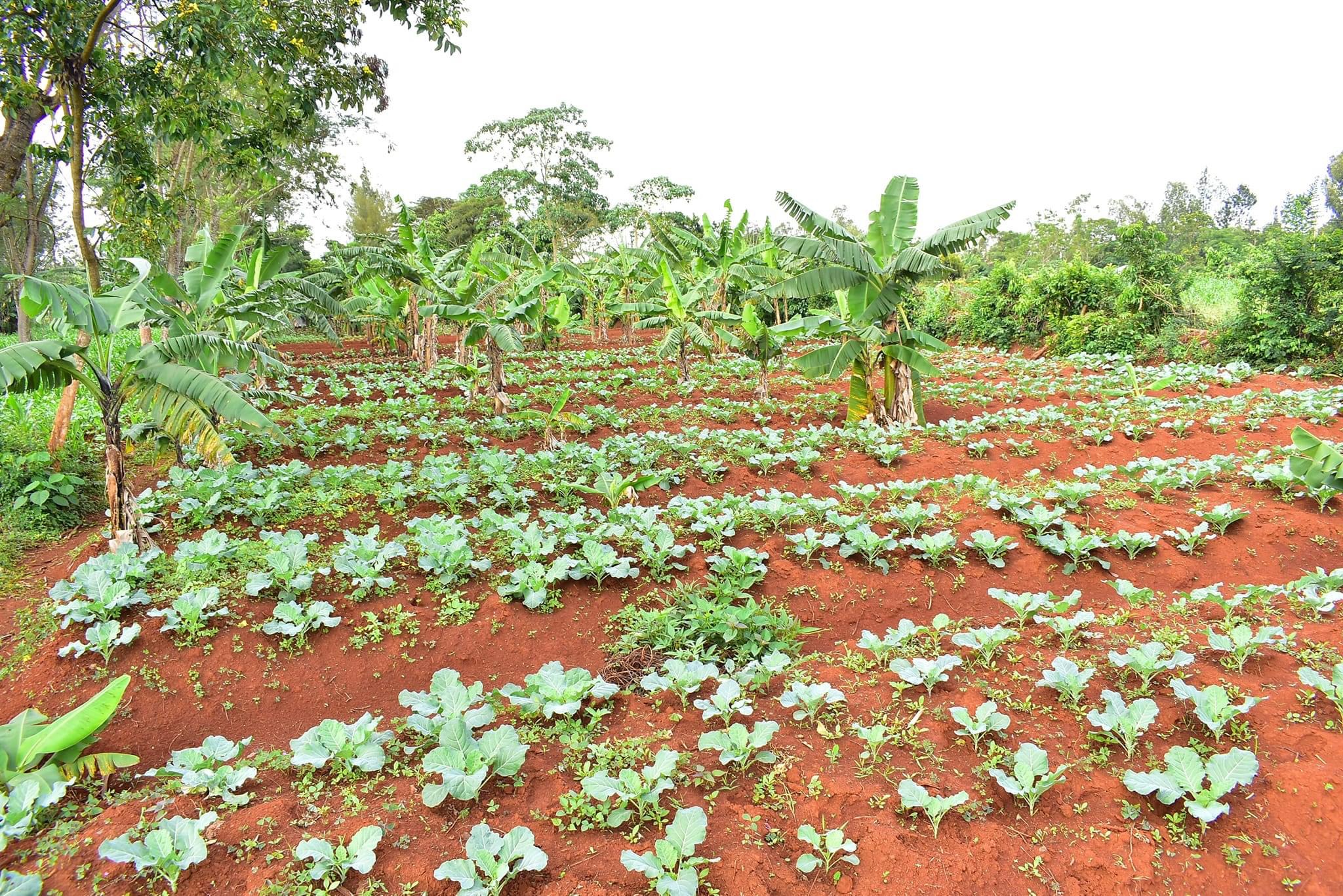
Sustainable Agriculture & Value Chains
Transforming subsistence farming into competitive, climate-smart, market-driven agribusiness systems.
Africa possesses over 60% of the world’s uncultivated arable land, yet continues to import more than USD 50–80 billion worth of food annually. This contradiction highlights a structural gap rather than a resource limitation—rooted in weak agricultural systems, fragmented value chains, limited processing capacity, and unequal access to markets, finance, and technology for smallholder farmers.
Agriculture remains the backbone of Sub-Saharan Africa’s economies, contributing significantly to GDP and employing more than half of the population. However, the sector is constrained by low productivity, climate vulnerability, post-harvest losses, poor infrastructure, weak market linkages, and limited value addition.
Despite these challenges, agriculture presents one of Africa’s most powerful transformation opportunities. Driven by population growth, urbanization, and changing consumption patterns, Africa’s food systems are projected to exceed USD 1 trillion by 2030, positioning agriculture as a strategic driver of inclusive economic growth.
AFSEN Africa works to transform food systems through sustainable agriculture, inclusive value chains, and agripreneurship that empower smallholder farmers, women, and youth while strengthening climate resilience and environmental sustainability.
SAVC Approach
The Sustainable Agriculture and Value Chains (SAVC) approach is an integrated, systems-based transformation model designed to move agriculture from subsistence-oriented production to competitive, climate-smart, and market-driven agribusiness systems.
SAVC integrates following six pillars:
1. Capacity Building
Capacity building strengthens both individual farmers and agricultural institutions to function effectively within modern value chains.
Key Areas of Focus:
- Agribusiness management and enterprise planning
- Financial literacy and investment readiness
- Cooperative governance and institutional leadership
- Market negotiation and contract management
- Quality assurance, standards, and certification systems
- Climate-smart agricultural practices and adaptation strategies
Delivery Mechanisms:
- Farmer Field Schools (FFS)
- Demonstration farms and learning plots
- Peer-to-peer farmer learning networks
- Digital extension and mobile training platforms
2. Education
Education is the foundation for long-term agricultural transformation, linking formal learning systems with real-world agricultural practice.
Key Interventions:
- Partnerships with universities, TVET institutions, and agricultural colleges
- Curriculum strengthening in agribusiness, climate-smart agriculture, and agritech
- Farmer field schools integrating theory with practical application
- Apprenticeship and internship programs in agribusiness enterprises
- Youth-focused innovation training and entrepreneurship education
3. Innovation and Technology
Innovation and technology drive productivity, efficiency, and competitiveness across agricultural systems.
Technologies Promoted:
- Mobile-based extension and advisory platforms
- Digital market information and pricing systems
- Precision agriculture tools (drones, sensors, satellite monitoring)
- Climate-smart forecasting and decision-support tools
- Affordable irrigation systems and farm mechanization
- Digital traceability and supply chain transparency tools
Approach: All technologies are introduced through training, demonstration, and localization, ensuring affordability and usability for smallholder farmers.
4. Research and Evidence Generation
Research underpins all interventions ensuring they are data-driven, locally relevant and scalable for long-term impact.
AFSEN Africa focuses on the following key areas to drive evidenced-based and agricultural transformation:
- Agricultural value chain diagnostics and mapping
- Climate resilience and adaptation research
- Impact evaluation and program performance analysis
- Policy and systems research for agricultural transformation
AFSEN Africa partners with following institutions to strengthen research, innovation and Knowledge sharing:
- National agricultural research systems (NARS)
- Universities and academic institutions
- Regional and international research organizations
5. Community-Led Solutions
Communities are central actors in agricultural transformation, not passive beneficiaries.
AFSEN Africa applies the following Community-lead approaches:
- Participatory rural appraisal and community diagnostics
- Co-design of agricultural interventions with farmers
- Community-led innovation testing and adaptation
- Local monitoring and feedback systems
6. Agripreneurship Development
Agripreneurship is a core pillar that transforms agriculture into a business-driven, innovation-led, and employment-generating sector.
Definition: Agripreneurship refers to the development of agricultural enterprises across the value chain that create value, generate income, and drive innovation beyond primary production.
Key Areas of Support:
- Youth and women-led agribusiness incubation programs
- Development of agribusiness startups across value chains
- Access to finance, credit, and investment readiness support
- Agritech innovation hubs and enterprise accelerators
- Business development services (branding, marketing, and scaling)
- Green and circular agribusiness models
Priority Agripreneurship Sectors:
- Agro-processing enterprises (flour, juice, dried foods, dairy products)
- Seed multiplication and input supply businesses
- Mechanization and irrigation service providers
- Digital agriculture and e-commerce platforms
- Renewable energy solutions for agriculture
AFSEN Africa Value Chain Framework
A value chain is a connected system of actors, activities, services, and institutional conditions that move products or services from conception and input supply, through transformation and exchange, to final markets and consumption. AFSEN Africa’s value chain approach is designed to strengthen coordination, efficiency, competitiveness, inclusion, and resilience across all nodes of the system.
1. Core Value Chain Actors
a) Producers (Primary Value Generators)
Producers form the entry point of value chains by generating raw products and initiating value creation. Their productivity, organization, and market integration directly influence chain efficiency and competitiveness.
Core roles:
- Production of raw goods and materials that feed into downstream activities
- Basic on-site handling such as sorting, grading, and storage
- Participation in local, regional, or structured markets depending on capacity
Producer typologies:
- Subsistence-oriented producers: Focused on survival-level production with limited market engagement
- Market-oriented producers: Actively producing for sale and responding to demand signals
- Integrated producers: Engaged in production plus additional activities such as basic processing, transport, or direct marketing
b) Input and Technical Service Providers
These actors enable production efficiency by supplying essential inputs, technologies, and knowledge systems that improve output quality and productivity.
Core roles:
- Supply of production inputs and equipment required for operations
- Delivery of technical advisory services and knowledge transfer
- Support in quality improvement, productivity enhancement, and innovation adoption
Strategic importance:
- They shape productivity outcomes at the earliest stage of the value chain
- They influence adoption of improved technologies and practices
- They act as informal or formal extension support systems in many contexts
c) Aggregators, Bulking Agents, and Traders
These actors function as coordination and consolidation points that connect dispersed producers to larger, more structured markets.
Core roles:
- Collection and aggregation of products from multiple producers
- Sorting, grading, and standardization of quality
- Logistics coordination including transport and delivery to buyers or processors
- Price discovery and market linkage facilitation
System importance:
- Reduce transaction costs across fragmented production systems
- Improve market access for small-scale producers
- Enable economies of scale for downstream actors
d) Processing and Value Addition Enterprises
These actors transform raw outputs into higher-value products that meet consumer standards, market requirements, and quality expectations.
Core roles:
- Transformation of raw materials into processed or semi-processed goods
- Packaging, branding, labeling, and quality assurance
- Product differentiation and compliance with market standards
- Linkage to formal retail, institutional, and export markets
Strategic importance:
- Capture additional value within the chain
- Drive product innovation and market expansion
- Define quality standards that influence upstream production
e) Market and End-User Systems
Markets represent the final stage of the value chain where products are exchanged, consumed, and evaluated based on quality, price, and accessibility.
Core roles:
- Distribution through wholesale, retail, and institutional channels
- Price formation based on demand and supply dynamics
- Consumption and feedback signaling to upstream actors
- Market expansion and demand generation
2. Enabling Services and Support Systems
a) Financial Systems
- Credit and working capital financing
- Investment and blended finance mechanisms
- Insurance and risk mitigation instruments
- Savings and financial inclusion systems
b) Logistics and Physical Infrastructure
- Transport and distribution networks
- Storage, warehousing, and cold chain systems
- Packaging and handling infrastructure
- Energy and communication systems supporting operations
c) Knowledge, Information, and Advisory Systems
- Market intelligence and price information systems
- Technical advisory and business development services
- Digital platforms and data-driven tools
- Training and capacity-building institutions
3. Coordination, Relationships, and Governance
- Contractual arrangements linking producers, buyers, and processors
- Cooperative structures and collective action mechanisms
- Trust-based relationships reducing transaction costs
- Information sharing across production, processing, and market levels
- Governance systems influencing standards, pricing, and quality
4. Enabling Environment and System Conditions
- Policy frameworks governing trade, taxation, and enterprise development
- Regulatory systems for quality, safety, and compliance
- Infrastructure development and investment climate
- Institutional capacity supporting markets and enterprise growth
- Legal frameworks influencing contracts, ownership, and investment
5. Value Chain Performance and Competitiveness Drivers
a) Strategic Market Positioning
- Identification of high-value and emerging markets
- Product differentiation and branding strategies
- Alignment with consumer preferences and quality standards
- Expansion into regional and international markets
b) Operational Efficiency and Cost Competitiveness
- Adoption of improved technologies and systems
- Reduction of waste, delays, and inefficiencies
- Optimization of production and processing workflows
- Cost-effective resource utilization across all nodes
c) Supply Chain Integration and Flow Efficiency
- Strengthened coordination between actors
- Efficient logistics and distribution systems
- Real-time information flow on demand and supply
- Reduced time from production to final consumption.
6. Women in Value Chain Development
a) Gender inequalities in modern value chains
In modern value chains, women are often concentrated in lower-value and less remunerative activities, particularly in wage labor roles such as processing and packaging. These roles are typically associated with lower skill requirements and limited opportunities for advancement.
Women workers are frequently segmented into specific nodes of the chain due to social norms and structural constraints. The prevalence of casual, temporary, or informal employment limits access to stable incomes, skills development, and long-term career progression. As a result, opportunities to acquire technical and entrepreneurial capabilities remain limited, increasing vulnerability to job displacement, especially where automation or technical specialization is introduced.
b) Entry barriers for women producers and entrepreneurs
Women face significant barriers in accessing and participating in higher-value and formal value chains. These barriers limit effective engagement in structured market systems.
- Productive assets such as land and equipment
- Credit, insurance, and financial services
- Market information and emerging technologies
- Knowledge of consumer preferences and quality standards
Participation in higher-value domestic and export markets is further constrained by:
- Limited access to transport, storage, and processing facilities
- Weak communication and information systems
- High compliance and certification requirements
Although cooperatives and producer organizations can help address these gaps, participation remains constrained by social, financial, and institutional factors.
c) Women in traditional value chains
Women play a central role in traditional and local value chains, particularly in the production and trade of food products such as fresh and processed goods. These systems are often more accessible but generate relatively low returns.
Despite strong participation:
- Women tend to operate in low-value segments with limited opportunities for upgrading
- Access to inputs, extension services, and markets remains constrained
- Productivity levels are often low due to limited access to technology and resources
Interventions aimed at improving productivity and income in these value chains may also increase workload. Without appropriate safeguards, income gains may not always translate into improved well-being at the household level.
d) Need for targeted support for women’s participation
- High time burdens due to combined productive and domestic responsibilities
- Limited access to childcare and basic facilities in markets and workplaces
- Cultural restrictions affecting mobility and participation in economic activities
- Potential impacts on household welfare when workloads increase
Addressing Challenges Through Policy and Institutional Measures
i) Creating an enabling environment
- Integrate gender equality into infrastructure, investment, and value chain development policies
- Improve access to land, including legal rights to own, inherit, and use land
- Strengthen labor legislation to protect rights and working conditions
- Promote targeted measures such as access to finance, training, childcare, and representation in decision-making
ii) Promoting good practices
- Analyze value chain dynamics and their gender impacts across local, national, and international markets
- Identify structural inequalities and power relations affecting benefit distribution
- Promote practices that enhance inclusive and equitable participation
iii) Strengthening women’s participation and organization
- Support participation in producer organizations and cooperatives
- Provide capacity-building programs focused on technical, business, and negotiation skills
- Facilitate networking and knowledge-sharing platforms
- Strengthen women-led enterprises through support in product development, branding, and market access