
Food Security & Nutrition
Partnering with communities to build resilient food systems and ensure year-round access to nutritious food.
AFSEN Africa works in regions where food insecurity, malnutrition, and climate vulnerability are most severe, driving action and dialogue on emerging food and nutrition security trends while addressing both immediate needs and long-term structural challenges. We champion the central role of agriculture in transforming nutrition outcomes and building resilient food systems.
We believe food security is more than just having enough food—it is about consistent access to safe, nutritious, and diverse diets that enable healthy, productive, and thriving communities. Across Africa, however, food insecurity remains a critical challenge. According to OXFAM International, over 278 million people still face food insecurity, while nearly one in three children suffers from stunting due to chronic undernutrition. These realities undermine health, education, productivity, and long-term economic progress.
At the heart of these challenges are systemic barriers such as limited access to land, finance, improved agricultural technologies, and reliable markets. Climate change further intensifies the situation, with erratic rainfall, prolonged droughts, floods, and pest outbreaks increasingly disrupting food production and supply.
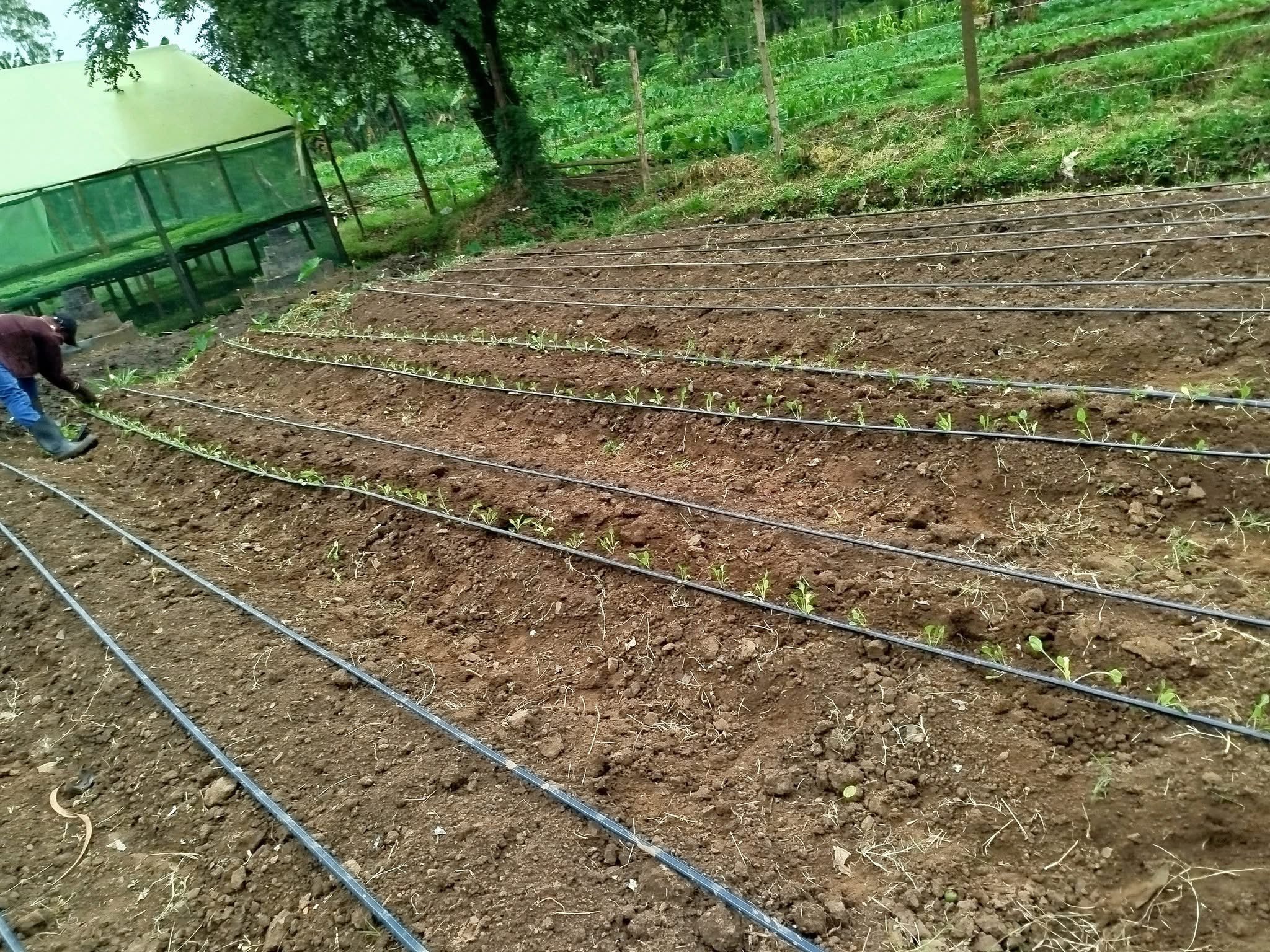
Through our FSN Program, AFSEN Africa works hand-in-hand with communities to build resilient food systems that ensure year-round access to nutritious food. Our approach integrates sustainable food production, nutrition education, improved post-harvest management, and early warning systems Agroforestry & Sustainable Land Use
We promote agroforestry systems that integrate trees, crops, and livestock to restore soils, improve ecosystems, and enhance access to nutritious food and income sources.
AFSEN Africa Focus Areas & Program Interventions
AFSEN Africa implements integrated food systems interventions that strengthen resilience, improve nutrition, and promote sustainable livelihoods.
Agricultural Extension & Diversified Production
We strengthen extension services by providing farmers with timely information, quality inputs, and improved seeds to support diversified, climate-resilient production systems.
Agroforestry & Sustainable Land Use
We promote agroforestry systems that integrate trees, crops, and livestock to restore soils, improve ecosystems, and enhance access to nutritious food and income sources.
Aquaculture & Small Livestock
We support fish farming and small livestock production like poultry farming to increase access to affordable, nutrient-rich foods while strengthening household nutrition and incomes.
Biofortification & Nutrition Enhancement
We promote biofortified crops rich in key micronutrients such as vitamin A, iron, and zinc to address hidden hunger and improve nutrition outcomes.
Post-Harvest Loss Reduction & Value Addition
We improve storage, processing, and preservation to reduce post-harvest losses, increase food availability, and enhance market value and household income.
How AFSEN Africa Assesses Agriculture’s Role in Food & Nutrition Security
AFSEN Africa recognizes agriculture as a central driver of food and nutrition security. Our assessment approach examines how food systems contribute to availability, access, utilization, and stability of food, while addressing the underlying causes of hunger and malnutrition.
Pro-Poor Food Production Systems
We focus on inclusive production systems that support smallholder farmers and urban food systems. These approaches strengthen access to inputs, improve value chains, and promote diversified production to increase food availability, nutrition, and household incomes.
Environmental Sustainability & Resource Management
We assess how agricultural systems protect biodiversity and sustainably manage land and water resources. We promote climate-smart practices that build resilience while maintaining ecosystem health and productivity.
Community Nutrition & Capacity Building
We strengthen nutrition awareness and food utilization at community level through training and behavior change. This ensures increased production translates into improved dietary diversity and better household nutrition.
Responsible Investment & Food System Governance
We support policies and standards that ensure agricultural investments contribute to food and nutrition security. This includes improving food supply, quality, and local incomes through responsible and inclusive investment frameworks.
Enabling Environment for Food Security
We address cross-cutting drivers of hunger such as climate change, gender inequality, population pressure, food price shocks, and political instability. This strengthens resilience and supports long-term food and nutrition security.
AFSEN Africa Food Security Monitoring Systems & Decision-Making Support
AFSEN Africa strengthens food security monitoring systems to support timely, evidence-based decision-making at local, national, and regional levels. Our approach integrates data collection, analysis, early warning, and policy engagement to improve preparedness and response to food insecurity.
We recognize that effective food security systems must go beyond data generation to ensure that information is actively used in planning, intervention design, and resource allocation.
Developing Early Warning Systems (Local, National & Regional)
- Collecting and analyzing crop, livestock, and agro-meteorological data
- Providing early forecasts of crop production outcomes
- Identifying surplus and deficit areas for timely response planning
- Conducting pre- and post-harvest assessments
- Collaborating with governments, NGOs, and development partners
- Linking with regional and international platforms for information sharing
AFSEN Africa Famine Early Warning Systems (AFSEN FEWS)
AFSEN Africa implements Famine Early Warning Systems (AFSEN FEWS) to anticipate food insecurity risks and assess vulnerability, particularly in high-risk regions such as East Africa.
The objective is to provide early alerts on food shortages caused by shocks such as droughts, floods, and socio-economic disruptions to enables proactive, rather than reactive, responses to food insecurity.
Strengthening Use of Food Security Information in Decision-Making
AFSEN Africa recognizes that despite widespread data generation, its use in decision-making remains limited.
- Overemphasis on data collection over application
- Weak coordination among institutions
- Limited demand for food security information
- Fragmented monitoring systems
To address this, we strengthen linkages between data producers and decision-makers to ensure information is timely, relevant, and effectively used in planning and response.
We also support continuous improvement of monitoring systems to align with evolving policy and development needs.
AFSEN Africa Joint Program on Sustainable Food & Nutrition Security
AFSEN Africa promotes increased production and consumption of micronutrient-rich foods, especially among women and children in vulnerable communities.
We strengthen local food systems through integrated household-level interventions such as home gardening, aquaculture, and small livestock production.
- Small livestock and aquaculture systems with improved veterinary support
- Integrated household food production systems (crops, livestock, aquaculture)
- Linking household production with school-based nutrition education
- Training on good agricultural practices for nutritious food production
- Promotion of local food processing and fortified food preparation
- Home gardens for fruits and vegetables
- Strengthening income and nutrition through small-scale livestock and fish production
AFSEN Africa Approach to Agricultural Research & Innovation for Development
AFSEN Africa harnesses agricultural research and innovation to develop practical solutions that reduce poverty, improve nutrition, and strengthen resilience in developing regions.
- Delivering measurable impact on food security, nutrition, poverty reduction, and resilience outcomes
- Aligning with national and international development policies and frameworks
- Promoting active participation of farmers—especially women smallholders—alongside policymakers and civil society in defining research priorities
- Focusing on the food and nutrition needs of vulnerable populations, particularly women, children, and socially excluded groups
- Promoting efficient and sustainable use of natural resources while minimizing environmental impact
- Applying clear impact pathways, theories of change, and results-based frameworks
- Strengthening synergies with national agricultural policies, rural development strategies, and development programs.
AFSEN Africa Principles on Food Security and Nutrition
AFSEN Africa is guided by a set of core principles that ensure food security and nutrition interventions are inclusive, sustainable, and impactful. These principles recognize that ending hunger requires addressing both immediate needs and the underlying structural causes of malnutrition and food insecurity.
Rights-Based Approach to Food Security and Nutrition
AFSEN Africa recognizes the right to adequate food as a fundamental human right. Our rights-based approach integrates international human rights norms, standards, and principles into all development policies, programs, and interventions.
This approach shifts communities from being passive beneficiaries of aid to active rights holders with the capacity to demand and secure access to food, resources, and services.
We partner with other organizations and civil society to advocate for:
- Equitable access to income and productive resources
- Transparent and efficient agricultural and food markets
- Improved food quality and safety standards
- Strengthened accountability in food systems governance
Bridging Agriculture and Nutrition through Nutrition-Sensitive Program
AFSEN Africa recognizes that increased agricultural productivity does not automatically translate into improved nutrition.
To address this gap, we promote nutrition-sensitive agricultural systems that ensure that increased production leads to improved household diets, better income, and enhanced access to health and nutrition services.
- Improved household food consumption and dietary diversity
- Increased income for purchasing nutritious foods and essential services
- Better maternal health, education outcomes, and childcare practices
- Strengthened linkages between agriculture, health, and nutrition systems
Promoting Nutrition Security through Behavior Change
AFSEN Africa emphasizes that improved nutrition outcomes require both access to food and sustained behavior change.
- Improving food consumption habits and dietary practices
- Strengthening food handling, hygiene, and sanitation practices
- Promoting positive health-seeking behavior
- Building community awareness of the benefits of improved nutrition
- Strengthening social networks and knowledge-sharing systems for nutrition
Integrating the Multiple Dimensions of Food and Nutrition Security
- Food Availability
- Food Access
- Food Utilization
- Food Stability
Our FSN program addresses both immediate and structural causes of malnutrition through coordinated, multi-sectoral interventions.
This includes close collaboration with governments, development partners, civil society, and where appropriate, the private sector. In contexts affected by shocks and crises, we ensure that short-term responses are effectively linked to long-term development outcomes.
Empowering Women for Food and Nutrition Security
AFSEN Africa recognizes women as central actors in achieving food and nutrition security.
Women play a critical role in agricultural production, food processing, preparation, and household nutrition. However, they often face disproportionate levels of poverty, malnutrition, and limited access to resources.
- Strengthening women’s access to education, land, and productive resources
- Enhancing women’s participation in agricultural value chains
- Supporting women’s leadership in food systems and community structures
- Addressing gender disparities that contribute to hunger and malnutrition
Evidence shows that improving women’s education, health, and economic empowerment significantly reduces hunger and improves child nutrition outcomes.
Strengthening Community Resilience
AFSEN Africa promotes resilience-building as a core component of food and nutrition security programming.
- Climate change adaptation strategies
- Early warning systems and disaster risk reduction (DRR)
- Strengthening local coping mechanisms and livelihoods
- Integrating resilience into all food security interventions
AFSEN Africa Goals for Achieving Food Security and Nutrition
- Promote productivity improvements that contribute to climate change adaptation and mitigation
- Encourage sustainable intensification on existing agricultural land to reduce pressure on natural ecosystems
- Support rehabilitation of degraded soils and landscapes
- Strengthen sustainable land management practices through coordinated agricultural research and innovation
- Develop robust monitoring, reporting, and verification systems to support evidence-based decision-making
- Provide incentives for farmers adopting sustainable and climate-smart production systems
- Invest in capacity building and knowledge sharing for climate-resilient agriculture
- Support the establishment of agricultural adaptation financing mechanisms accessible to farmer organizations
- Strengthen agricultural extension and advisory systems to support farmer adaptation and knowledge exchange
AFSEN Africa Best Interventions
Investing in Women for Food and Nutrition Security
AFSEN Africa recognizes women as central actors in household food systems. We invest in strengthening women’s capacity to ensure food security, improve household nutrition, and enhance child and family health outcomes. This includes supporting women’s access to resources, skills, and decision-making roles in agriculture and nutrition systems.
Promoting Local Production, Processing, and Storage of Nutrient-Rich Foods
We support communities to produce, process, and store diverse nutrient-rich foods at local level. This strengthens food sovereignty, reduces dependence on external markets, and improves year-round access to healthy foods.
Ensuring Year-Round Availability of Nutritious Foods
AFSEN Africa promotes farming systems and post-harvest strategies that guarantee continuous availability of nutrient-dense foods throughout the year. This includes diversification of crops, improved storage systems, and climate-resilient production practices.
Improving Nutritional Knowledge and Dietary Diversity
We strengthen household knowledge on nutrition to improve dietary diversity and food utilization. Communities are supported to understand the importance of combining crops, fruits, vegetables, and animal-source foods for balanced and healthy diets.
Promoting Good Food Preparation and Feeding Practices
AFSEN Africa encourages the adoption of safe and appropriate food preparation, storage, and feeding practices. This includes improving hygiene, infant and young child feeding practices, and household meal planning to maximize nutritional outcomes.
Integrating Nutrition Outcomes into Agricultural Systems
We advocate for the inclusion of clear nutrition objectives, indicators, and outcomes within agricultural programs and policies. This ensures that agriculture is not only measured by yield, but also by its contribution to improved nutrition and health outcomes.
AFSEN Africa Strategies to Achieve Food Security in the Face of Climate Change
Integrating Food Security into Policy and Planning
AFSEN Africa works to integrate food security and sustainable agriculture into regional and national development policies. This ensures that food systems are prioritized within climate adaptation, economic planning, and rural development frameworks.
Increasing Investment in Sustainable Food Systems
We advocate for significantly increased investment in sustainable agriculture and resilient food systems. These investments are essential to scale climate-smart technologies, strengthen infrastructure, and support long-term transformation of agricultural systems.
Sustainable Intensification and Climate Mitigation
AFSEN Africa promotes sustainable intensification of agricultural production while minimizing environmental impacts. This includes reducing greenhouse gas emissions, improving soil health, conserving water resources, and promoting climate-smart agricultural practices.
Targeted Support for Vulnerable Populations
We develop and implement targeted programs that support communities most vulnerable to climate change and food insecurity. This includes smallholder farmers, women, children, and marginalized populations who are disproportionately affected by climate shocks.
Transforming Food Access and Consumption Patterns
AFSEN Africa promotes improved food access and healthier consumption behaviors to ensure that nutritional needs are met. We encourage sustainable and balanced diets while supporting food systems that deliver affordable, safe, and nutritious food.
Reducing Food Loss and Waste
We work to significantly reduce food loss and waste across the entire food system. This includes improvements in farming practices, storage infrastructure, processing, distribution systems, and household-level food handling practices.
Strengthening Integrated Food Security Information Systems
AFSEN Africa supports the development of comprehensive and integrated information systems that combine human, agricultural, and environmental data. These systems enhance early warning, improve decision-making, and strengthen responses to climate-related food security risks.