
Our Values
AFSEN Africa promotes sustainable agriculture, resilient livelihoods, and community-driven solutions to address climate change, food insecurity, and other development challenges across Africa.
WHAT WE DO
Our approach to impact
AFSEN Africa was established to respond to the growing and interconnected challenges facing communities across Africa — including adverse climate change, food insecurity, poor nutrition, low agricultural productivity, weak value chains, water stress, and environmental deterioration.
We use research, innovation, and community-led initiatives to ensure the solutions we provide are practical, scalable, sustainable, and tailored to local contexts. AFSEN main focus is to improve livelihoods, enhance food and water security, and strengthen resilience of communities to both current and future environmental, economic, and social challenges.
At the core of our work is a focus on:
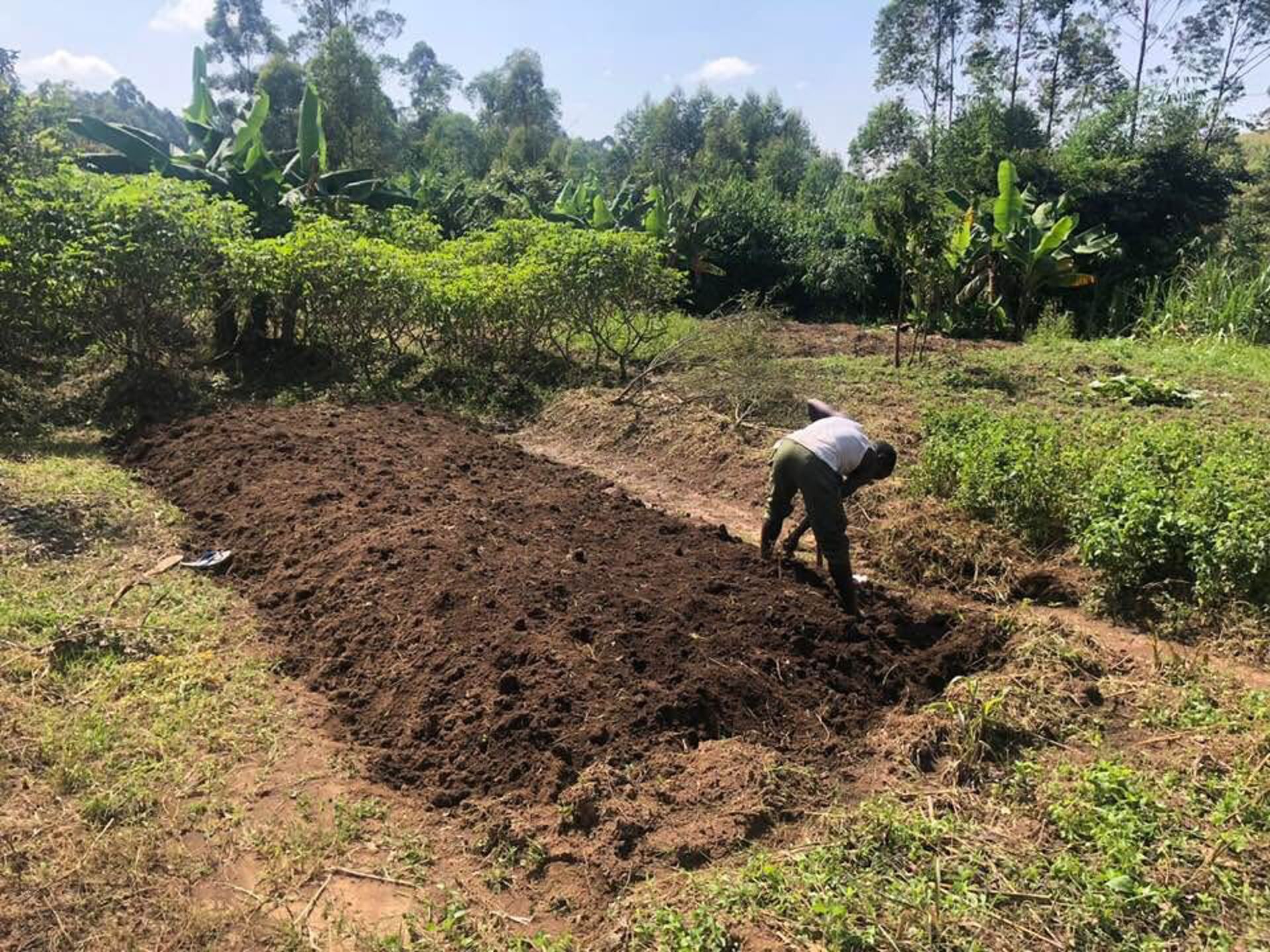
- Sustainable agriculture and agroecology
- Food security and improved nutrition
- Agricultural value chains and market systems
- Climate resilience and environmental sustainability
- Water, sanitation, and hygiene (WASH)
- We also prioritize community resource mobilisation by empowering young people, women, and local institutions with the skills, knowledge, and tools needed to drive lasting and inclusive change across the value chain
How We Work
AFSEN Africa applies a practical, integrated, and collaborative approach to achieve meaningful and sustainable impact.
1. Integrated Systems Approach
We recognize that development challenges are interconnected. Our work brings together agriculture, nutrition, water, climate, and livelihoods to create holistic solutions that address root causes rather than isolated issues, ensuring long-term impact.
2. Multi-Disciplinary Expertise
Our work is supported by diverse expertise in agriculture, nutrition, climate science, environmental management, market systems, and communityresourcemanagement, enabling us to design solutions that are practical, scalable, and responsive to real needs.
3. Research, Innovation & Technology
We promote innovation and applied research to develop solutions that respond to real-world challenges. This includes improving farming practices, capitalising on value addition, strengthening climate adaptation, and leveraging digital tools to provide farmers with timely information and services.
4. Partnerships & Collaboration
We work closely with communities, governments, research institutions, NGOs, and private sector partners. Through collaboration, we strengthen systems, enhance knowledge sharing, and expand the reach and sustainability of our interventions.
5. Capacity Building & Inclusion
We invest in people as drivers of change by strengthening skills, knowledge, and leadership at all levels. Our approach includes training farmers and community groups, empowering youth and women, and strengthening local institutions.
We apply the Training of Trainers (ToT) model, where selected individuals are equipped with advanced knowledge and facilitation skills to train others within their communities. This approach promotes knowledge transfer, local ownership, and long-term sustainability of interventions.
6. Strengthening Value Chains & Livelihoods
We support farmers beyond production by strengthening entire value chains. This includes improving aggregation, promoting value addition, enhancing market access, and reducing post-harvest losses — ultimately increasing incomes and improving livelihoods
Our commitment
AFSEN Africa is committed to improving the lives and livelihoods of communities across the continent through sustainable, inclusive, and innovative solutions. Our work is guided by a holistic approach that addresses key development challenges while creating long-term impact.
We focus on:
- Strengthening food and nutrition security by supporting access to diverse, safe, and nutritious foods, ensuring that households can lead healthy and productive lives.
- Promoting sustainable agriculture through climate-smart practices that increase productivity while preserving soil health, water resources, and ecosystems for future generations.
- Advancing water, sanitation, and hygiene (WASH) to improve public health, ensure access to safe and clean water, and promote dignified living conditions for all.
- Building climate resilience by empowering communities with knowledge, tools, and adaptive strategies to withstand environmental changes and reduce vulnerability to climate shocks.
- Protecting the environment and biodiversity through sustainable land use, conservation efforts, and ecosystem restoration that safeguard natural resources.
- Enhancing market access and economic opportunities by connecting farmers to markets, strengthening agricultural value chains, and supporting agribusiness development.
At the heart of our mission are smallholder farmers—the backbone of Africa’s food systems. We are dedicated to ensuring they have access to the knowledge, tools, resources, and opportunities needed to increase productivity, improve incomes, and build resilient and sustainable livelihoods.
Accountability and Values
- Commitment to Service: We prioritize the needs of the people and communities we serve. We actively listen, respond promptly, and adapt our work to address real and emerging challenges
- Integrity and Trust: We uphold honesty, consistency, and reliability. We say what we mean, and we do what we say—earning the trust of the public, partners, and one another.
- Collaboration and partnerships: We believe in the power of collaboration. We build strong, strategic partnerships with like-minded organizations to deliver sustainable, people-centered solutions.
- Transparency: We share information openly with our stakeholders, partners, and the public to ensure accountability, build trust, and promote shared learning.
- Teamwork: We respect and value each other’s contributions. We foster a culture of mutual support, collaboration, and shared success.
- Coordination: We recognize that effective coordination is essential to our regional and interdisciplinary mandate. We promote structured collaboration across all levels and sectors.