Digital Agriculture Transformation in Kenya: Why Smallholder Farmers Must Be at the Center
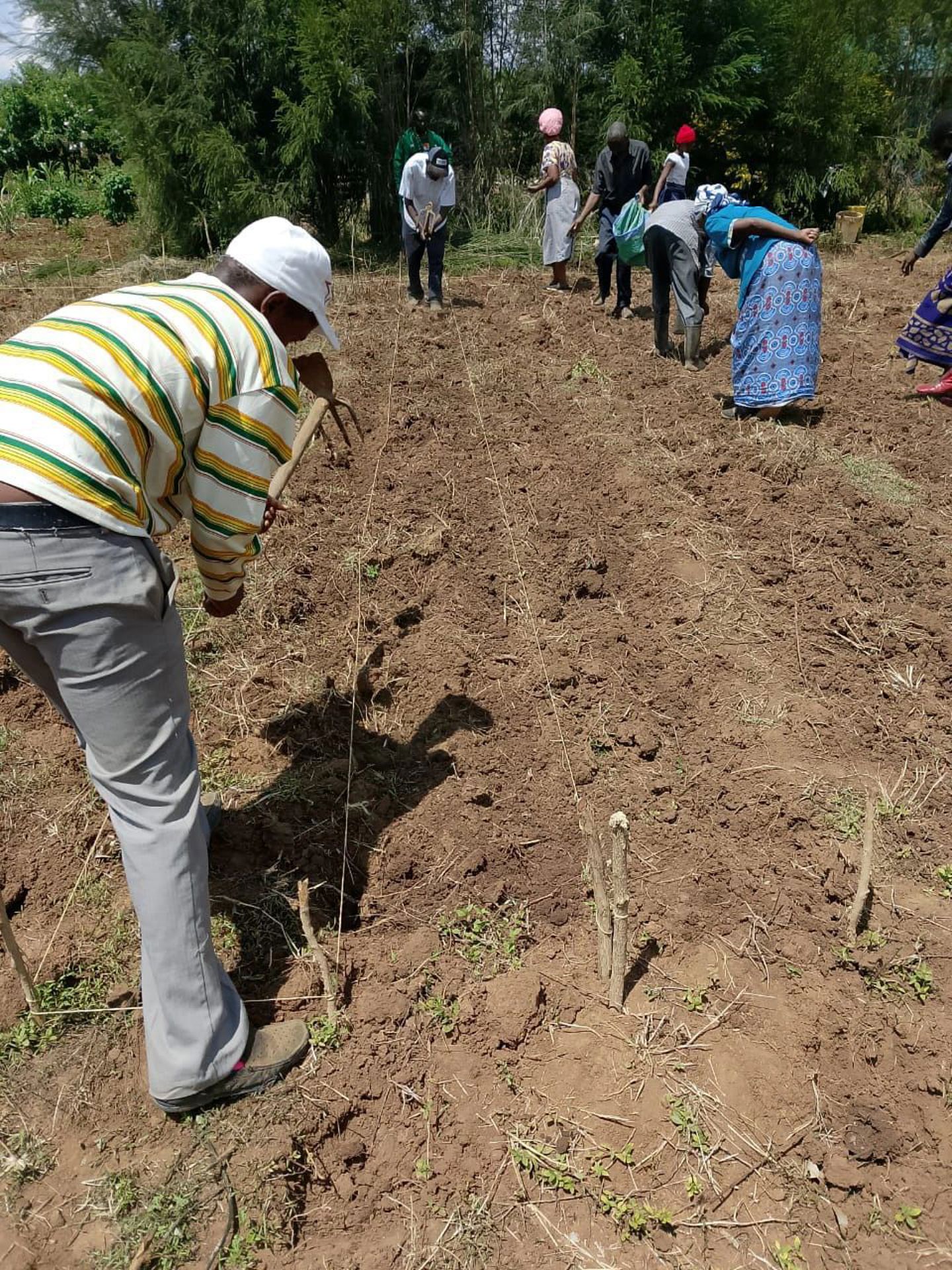
Agriculture remains the backbone of Kenya’s economy. It provides employment for millions of people, supports household incomes, contributes to food security, and plays a critical role in national development. Yet despite its importance, many smallholder farmers continue to face challenges that limit productivity, reduce profitability, and increase vulnerability to climate change.
Across the country, farmers are grappling with unpredictable weather patterns, declining soil health, pest and disease outbreaks, fluctuating market prices, and limited access to timely agricultural information. Decisions about when to plant, what crops to grow, or how to respond to emerging threats are often made with incomplete information, exposing farmers to unnecessary risks.
As these challenges continue to evolve, there is a growing need to rethink how agricultural systems support smallholder farmers. One promising pathway is digital agriculture transformation.
What Does Digital Agriculture Mean?
When people hear the term “digital agriculture,” they often think of advanced technologies or sophisticated equipment. However, digital agriculture is much broader than technology alone.
At AFSEN Africa, we view digital agriculture as the strategic use of information, data, climate intelligence, and digital tools to help farmers make better decisions, improve productivity, strengthen resilience, and connect more effectively with agricultural markets and support services.
The goal is not simply to introduce new technologies but to create agricultural systems that are smarter, more responsive, and better equipped to meet the needs of farmers.
Building Climate-Smart and Resilient Farming Systems
Climate change has become one of the greatest challenges facing agriculture in Kenya. Rainfall patterns have become increasingly unpredictable, droughts and floods occur more frequently, and pest and disease outbreaks continue to threaten crop production.
Traditional farming calendars that communities have relied on for generations are becoming less reliable. As a result, farmers need new approaches that help them adapt to changing conditions.
This is where precision agriculture and climate-smart farming can make a difference.
By combining local knowledge with climate information and improved decision-making tools, farmers can make more informed choices about:
• Selecting crops that are suitable for local conditions
• Determining the best planting periods
• Managing water resources more efficiently
• Responding to pests and diseases earlier
• Planning harvesting and post-harvest activities
Climate-smart farming is not only about increasing production. It is about building resilience so that farming households can continue to thrive even when faced with environmental shocks and uncertainties.
Why Agricultural Data Matters
Good decisions depend on good information.
For many farmers, access to reliable and timely information remains a major challenge. Decisions about planting, irrigation, fertilizer application, or harvesting are often made without accurate weather forecasts, production data, or market intelligence.
Digital agriculture can help bridge this gap through real-time agricultural data systems.
These systems enable farmers, extension officers, and agricultural institutions to monitor conditions, identify risks early, and make evidence-based decisions. They can support:
• Early warning systems for climate-related risks
• Better farm planning and resource management
• Improved agricultural advisory services
• Enhanced monitoring of production trends
• Stronger coordination among agricultural stakeholders
Access to timely information can help farmers reduce risks, improve efficiency, and respond more effectively to changing circumstances.
The Importance of Farmer Digitization
One challenge that often receives less attention is the limited visibility of smallholder farmers within formal agricultural systems.
Many farmers remain undocumented or poorly represented in agricultural databases. This makes it difficult for governments, development organizations, and agricultural service providers to accurately understand local realities and deliver targeted support.
Farmer digitization offers an important solution.
By creating verified digital farmer profiles, institutions can better understand who farmers are, where they are located, what they produce, and what support they require.
Digitization can strengthen access to:
• Agricultural extension services
• Climate information and advisory support
• Capacity-building opportunities
• Market linkages
• Agricultural financing and development programs
More importantly, it helps ensure that smallholder farmers are not left behind as agricultural systems become increasingly data-driven and technology-enabled.
Ensuring an Inclusive Digital Transition
While digital agriculture offers enormous potential, successful transformation will depend on ensuring that farmers remain at the center of the process.
Technology alone cannot solve agricultural challenges. Investments in digital infrastructure must be accompanied by farmer training, local capacity building, strong partnerships, and inclusive approaches that address the realities of rural communities.
The success of digital agriculture will ultimately be measured not by the number of technologies introduced, but by the extent to which farmers are empowered to make better decisions, improve livelihoods, and build resilience against future challenges.
Looking Ahead
Kenya’s agricultural future will depend on how effectively the sector responds to changing environmental, economic, and technological realities.
Digital agriculture transformation presents an opportunity to build more productive, climate-smart, and resilient agricultural systems that work for smallholder farmers. By strengthening climate intelligence, improving access to agricultural data, and promoting farmer digitization, stakeholders can create systems that support sustainable agricultural growth and long-term food security.
For AFSEN Africa, digital agriculture is not simply a technology agenda. It is a pathway toward stronger livelihoods, more resilient farming communities, and a more sustainable agricultural future for Kenya.